
UAE reopens its airspace, restoring the Maldives' Gulf corridor
Nine weeks of route diversions, slot caps and cancelled rotations end with a single GCAA notice. Emirates, flydubai and Etihad can rebuild the full UAE–Malé schedule — and a tourism economy that runs on Gulf-hub connectivity gets its corridor back.
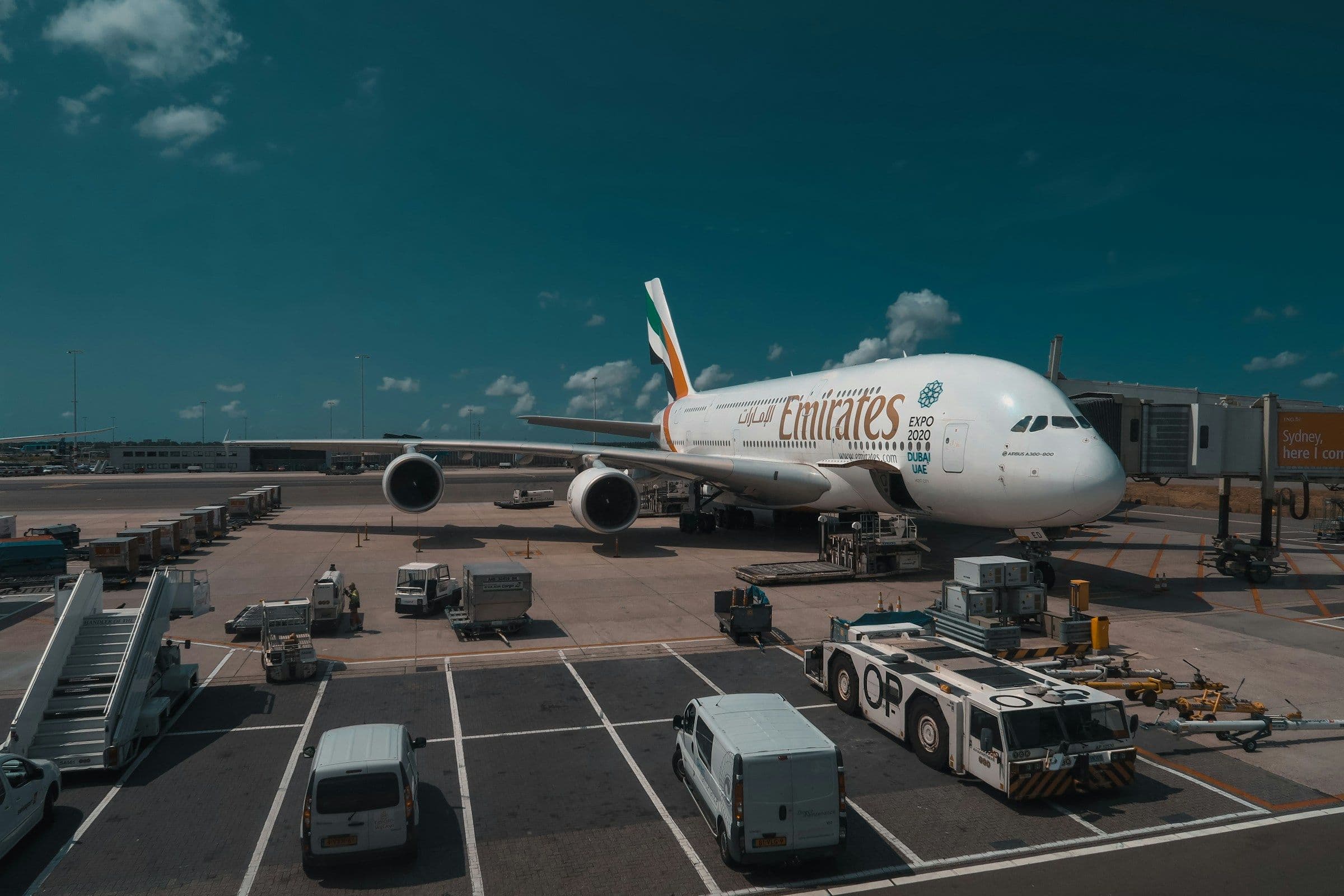
The United Arab Emirates' General Civil Aviation Authority lifted all remaining airspace restrictions on Saturday, ending more than nine weeks of disruption that had pruned schedules across the three Gulf hubs that feed almost three-quarters of Maldivian tourist arrivals. The decision, taken after what the regulator described as a "comprehensive assessment of operational and security conditions," clears the way for Emirates, flydubai and Etihad to rebuild the schedule complexes they had been forced to thin through the spring.
Quick read
- Restrictions imposed: 28 February 2026, hours after US–Israeli strikes on Iran.
- Restrictions lifted: 2 May 2026, by GCAA notice.
- What changed today: Emirates, flydubai and Etihad can rebuild the full UAE → Malé schedule.
- Return to normal: by the end of the second week of May, in time for the late-spring shoulder programme.
- Wider context: Iraqi overflights resume 10 May; Qatar Airways will restore 150+ destinations from mid-June.
How the disruption played out
| Phase | Dates | Status |
|---|---|---|
| Closure | 28 Feb | UAE declares "temporary and partial" airspace closure |
| Partial reopening | 1 – 12 Mar | Carriers operating at roughly 45% of normal capacity |
| Slot caps and reroutings | 13 Mar – 1 May | Diversions over Egypt and Central Asia add 60–90 min on long-haul routes |
| Full lifting | 2 May | All restrictions removed; schedules being rebuilt |
The opening week alone produced more than 11,000 cancellations region-wide. Cirium, the aviation analytics firm, recorded cancellation rates of about 38% at Emirates and over 50% at flydubai during the worst of the disruption. Etihad suspended Abu Dhabi departures outright in the opening hours.
The UAE–Maldives air bridge
In normal conditions, Velana International Airport handles roughly 28 scheduled passenger rotations a week from the UAE — Emirates' two daily 777-300ER services from Dubai, a daily flydubai 737, and Etihad's daily 787 from Abu Dhabi.
| Carrier | Hub | Aircraft | Frequency | Block time |
|---|---|---|---|---|
| Emirates (EK) | Dubai (DXB) | Boeing 777-300ER | 2 daily (14 weekly) | 4h 10m |
| flydubai (FZ) | Dubai (DXB) | Boeing 737 MAX 8 | Daily | 4h 25m |
| Etihad Airways (EY) | Abu Dhabi (AUH) | Boeing 787-9 | Daily | 4h 20m |
Industry sources expect the carriers to be back at full published schedule by the end of the second week of May. Emirates' 777-300ER cycle, the Maldives' single largest inbound seat-count from the UAE, normalises first; flydubai and Etihad rotations follow within days.
Why it matters for the Maldives
- Arrivals were already softer. Tourism numbers tracked about 4% below 2025 through late April, with a sharper falloff in the second half of the month as Gulf operations ran short of capacity.
- Around 75% of inbound arrivals connect through Gulf hubs — Dubai, Abu Dhabi or Doha. When the corridor narrows, the country's bookings narrow with it.
- Premium guests are journey-time sensitive. Reroutings over Egypt or Central Asia added up to 90 minutes of block time and slowed forward booking pace into August and September.
- It is not only passengers. The same carriers move the air freight that feeds resort kitchens — flowers, fresh produce, replacement parts — on the same airframes.
- Connecting markets feel it most. Gulf carriers feed the Maldives from a long list of secondary markets that lack direct service — much of the GCC, parts of Africa, and the Indian subcontinent's premium segment. When DXB or AUH narrows, it is those passengers who substitute destinations first.
What still needs to settle
- Schedule rebuild. Slot complexes at DXB and AUH have to be repopulated; rotation patterns will firm up over the next ten days.
- Adjacent airspace. Iraqi overflights resume 10 May. Iranian airspace remains the main outstanding question for European routings.
- Doha. Qatar Airways' announced 150+ destination restoration from mid-June will be the second leg of the recovery for Maldivian connectivity.
- Domestic policy. The Special Cabinet Committee on Middle East tensions, reactivated 16 April, is expected to update its work programme this week. Work on a national fuel reserve continues.
The deeper exposure
The corridor is open. The carriers can fly. The schedule will be rebuilt over the coming days.
The harder question is structural. The past nine weeks were the first time in some years that all three of the adjectives the Maldives' commercial model rests on — cheap, fast and predictable connectivity through the Gulf — were in question simultaneously. Visit Maldives Corporation's diversification programme, including the recently launched 'I AM Maldives' Southeast Asia roadshow and a deeper engagement with East Asian carriers, will continue regardless of how quickly the Gulf operators rebuild capacity. So will the quieter work on national fuel cover and on closer coordination between the State Trading Organisation and importers on stockpiles of essential goods.
The second half of 2026, which the Ministry of Tourism is treating as the period that will determine whether full-year arrivals land on the optimistic or the pessimistic side of recent forecasts, can now begin against a more familiar operational backdrop than the one that defined the first.
More from World