
At the UN, a small state speaks for the islands
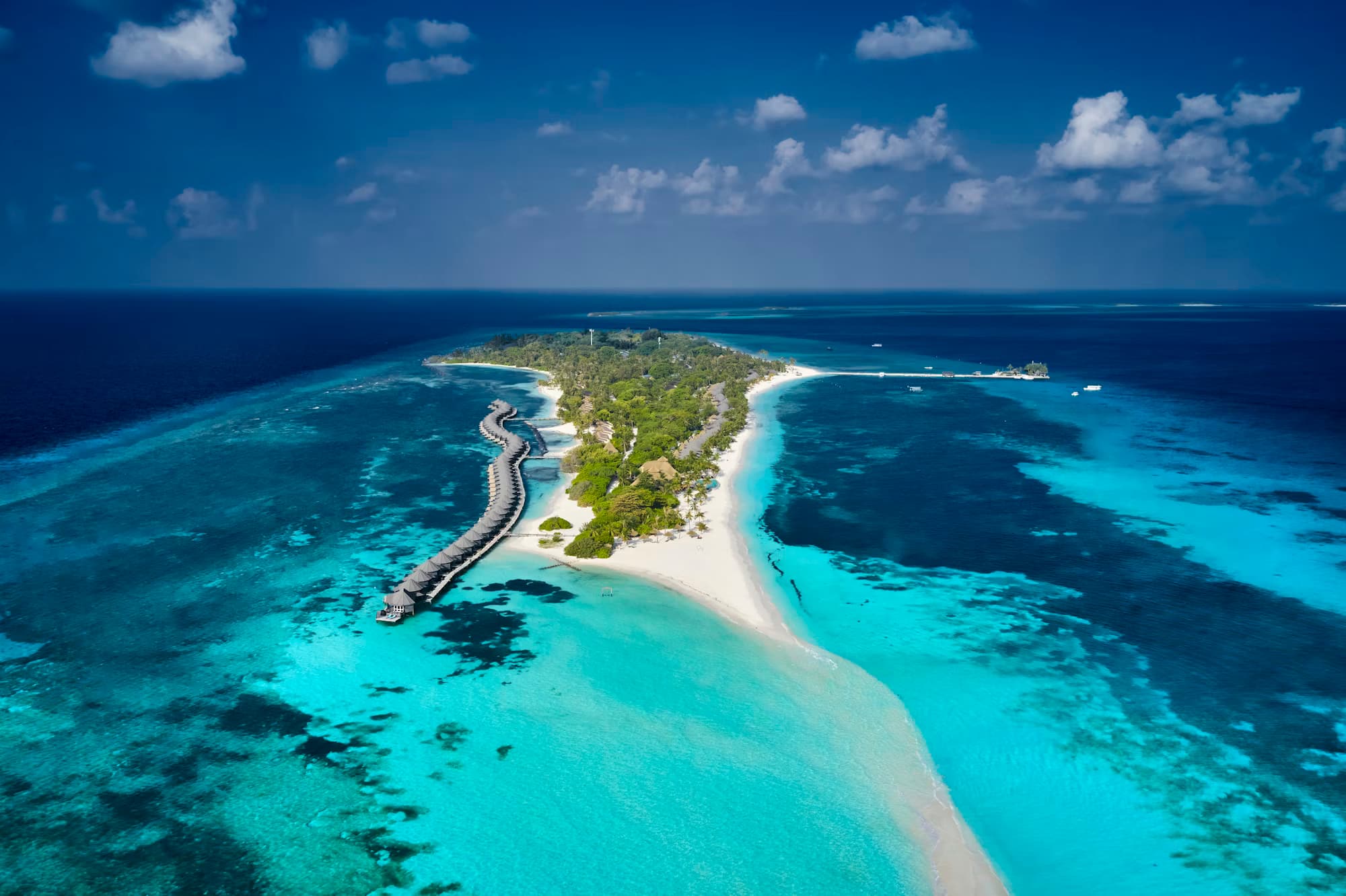
The Maldives' working relationship with the United Nations is older than its independence by almost a decade. UN agencies were operating in the country from the late 1960s, helping prepare the ground for sovereign statehood in 1965 and then for the diplomatic, technical and financial scaffolding that any newly independent atoll nation needed to build. Six decades on, that relationship has matured into something more characteristic: a small state with disproportionate diplomatic reach, frequently visible at climate, oceans and human-rights fora, and consistently effective at translating multilateral language into measurable home-country outcomes.
Two recent threads illustrate the way that effort is being managed in 2026. The first is the strategic prioritisation workshop convened earlier this month for the next United Nations Sustainable Development Cooperation Framework — the document that will govern the UN system's work in the country from 2027 to 2031. The framework, which replaces the cycle currently in force, sets the joint priorities under which agencies including UNDP, UNICEF, UNFPA, UN Women, WHO and IOM organise their country programmes. The April workshop began the process of translating the country's Strategic Action Plan into shared, agency-spanning targets.
The second thread is climate. The Maldives co-founded the Alliance of Small Island States in 1990, and Maldivian negotiators have played a coordinating or chairing role at every major Conference of the Parties since. The country's posture has shifted modestly with successive administrations, but the fundamentals have held: a focus on holding global average warming as close as possible to 1.5°C, a sustained push for adaptation finance commensurate with what the science says is required, and an insistence that "loss and damage" funding flow promptly and without procedural friction to states already bearing the costs.
The UN's local coordination is run from a Resident Coordinator's office in Malé, working with the Ministry of Foreign Affairs and the National Planning Office to keep the framework documents aligned with national programming. When the previous Resident Coordinator left in late 2024, the office was overseen on an interim basis by Enrico Gaveglia until the credentials of the current coordinator were presented to the President in May 2025 — a formal but consequential step that signalled the start of preparations for the 2027–2031 cycle.
Beyond the framework cycle, the Maldives' UN engagement is increasingly oriented around three operational priorities. The first is blue carbon: the country is one of a handful of jurisdictions piloting the use of mangrove and seagrass restoration as both an adaptation and a finance instrument, with technical assistance from UN agencies and from the World Bank. A May 2025 partners' meeting in Malé made that pipeline more concrete, with discussion of how blue-carbon credits might be structured in a way that respected community land-use rights.
The second is migrant health. The Maldives launched its first National Migrant Health Policy in mid-2025 with support from the International Organization for Migration, addressing the health needs of the country's substantial expatriate workforce — predominantly Bangladeshi, Indian and Sri Lankan workers concentrated in tourism, fisheries and construction. The policy followed a multi-year evidence-gathering exercise and was framed by the government as part of its broader public-health agenda rather than a discrete migration measure.
The third is governance. Successive UN human-rights bodies and special rapporteurs have engaged constructively with the country on judicial reform, gender-based violence, and the rights of working journalists. The work is not always easy, and the country has occasionally pushed back on specific reports it has judged factually incomplete. But the broader pattern is one of engagement rather than withdrawal, and one in which Maldivian officials have used UN processes to anchor domestic legislative reforms.
Taken together, the picture is of a small state using the UN system in two ways at once: as a forum in which to advance climate-vulnerable countries' agenda, and as a partner that helps the country deliver on its own. The next twelve months will test that arrangement. The 2027–2031 framework needs to be drafted; this autumn's COP will be the first since the fossil-fuel transition language was agreed in Dubai; and the country will be making the case that adaptation and "loss and damage" funding need to scale with the urgency of the underlying climate trajectory.
For Maldivian diplomats, those are not separate files. The argument they make at the UN about why the world should phase out fossil fuels is the same argument they make at home about why the cooperation framework matters. Both rest on the same arithmetic: a country whose entire economy fits within the first metre of sea level cannot afford to be passive about either.
More from World
UAE reopens its airspace, restoring the Maldives' Gulf corridor
Nine weeks of route diversions, slot caps and cancelled rotations end with a single GCAA notice. Emirates, flydubai and Etihad can rebuild the full UAE–Malé schedule — and a tourism economy that runs on Gulf-hub connectivity gets its corridor back.
President to undertake a state visit to Sri Lanka
How Middle East tensions reach the Maldives' supply lines
President and First Lady arrive in Saudi Arabia to perform Umrah