US and China Agree Framework for Tariff Relief on US$30 Billion of Goods Each
Product lists use 2024 trade values. Any tariff reductions still require implementation through each country’s domestic legal processes.
The United States and China have agreed a framework for reciprocal tariff relief covering product lists worth roughly US$30 billion on each side, according to documents released by the White House on 27 September.
The arrangement will operate through a government-to-government US–China Board of Trade. Officials have approved two lists of comparable value: American products imported into China and Chinese products imported into the United States.
The terms of reference say the lists were valued using annual bilateral trade figures for 2024. The amounts therefore describe the trade covered by the selected products, rather than new purchase commitments of US$30 billion by each government.
Future tariff reductions will be determined and implemented under each country’s domestic legal procedures. The terms do not provide a universal tariff rate or a single date on which all the covered goods will receive lower duties.
A New Bilateral Trade Board
The board’s working procedures place US Treasury Secretary Scott Bessent and US Trade Representative Jamieson Greer in charge on the American side. Chinese Vice Premier He Lifeng will oversee China’s participation.
Deputies will develop proposals for approval by those senior officials, supported by staff from the two governments. Their initial assignment concerns reciprocal tariff treatment for the selected goods.
The framework allows the deputies to discuss other trade arrangements and propose working groups, including a possible group on agriculture. It also permits discussion of other issues affecting bilateral trade.
Deputies are scheduled to meet at least quarterly, while the senior officials will meet as needed to consider proposals. Staff-level meetings will support that work, and the meeting frequency can be adjusted.
Product Lists May Be Expanded
Under the terms of reference, officials will monitor trade in the products covered by the arrangement and can recommend changes to the approved lists.
The two governments do not envisage adjusting the lists more frequently than once a year. They can also consider adding further products in the future, subject to approval by the senior officials overseeing the board.
The documents separate approval of the product lists from implementation of tariff reductions. They establish a process for reciprocal treatment, monitoring and possible expansion, with the legal steps for changing duties remaining with the respective governments.
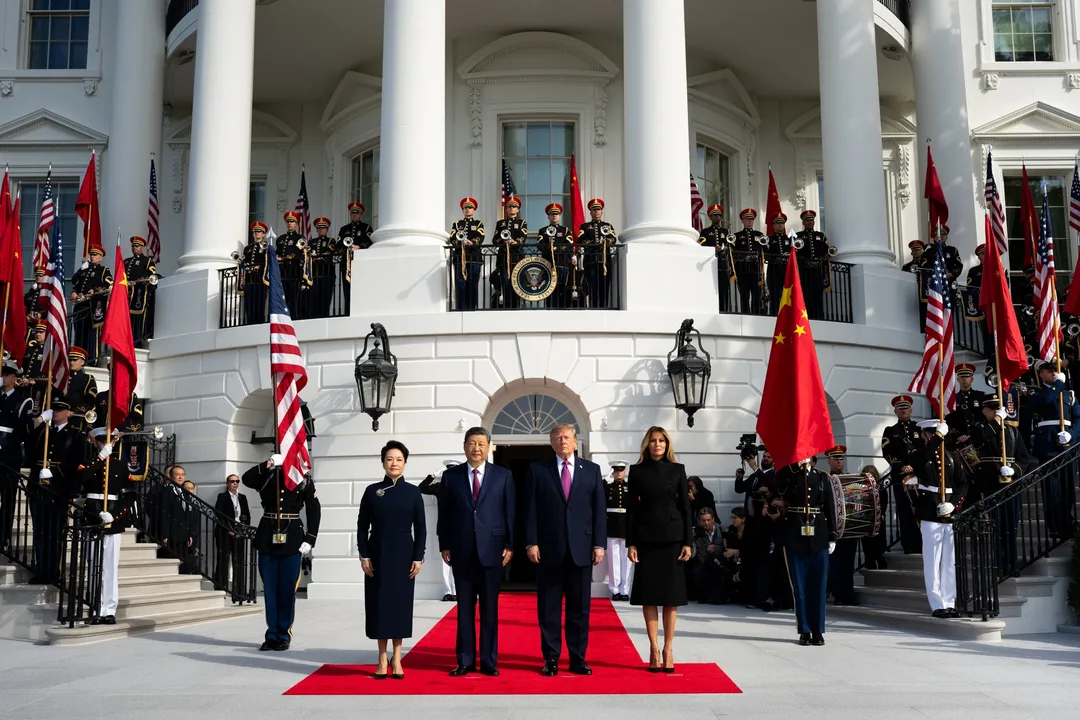
The release followed Chinese President Xi Jinping’s state visit to the United States. The White House’s account of the visit records bilateral discussions between Xi and President Donald Trump, an arrival ceremony and a state dinner before the visit concluded on 25 September.
The trade board documents were issued two days later. Both the working procedures and the terms for the reciprocal product lists are dated 27 September.