Bank of England Sets Out Plan to Unwind QE Bonds by 2034
Deputy Governor Dave Ramsden details a £368 billion reduction, with £120 billion of other bonds retained to back banknotes.
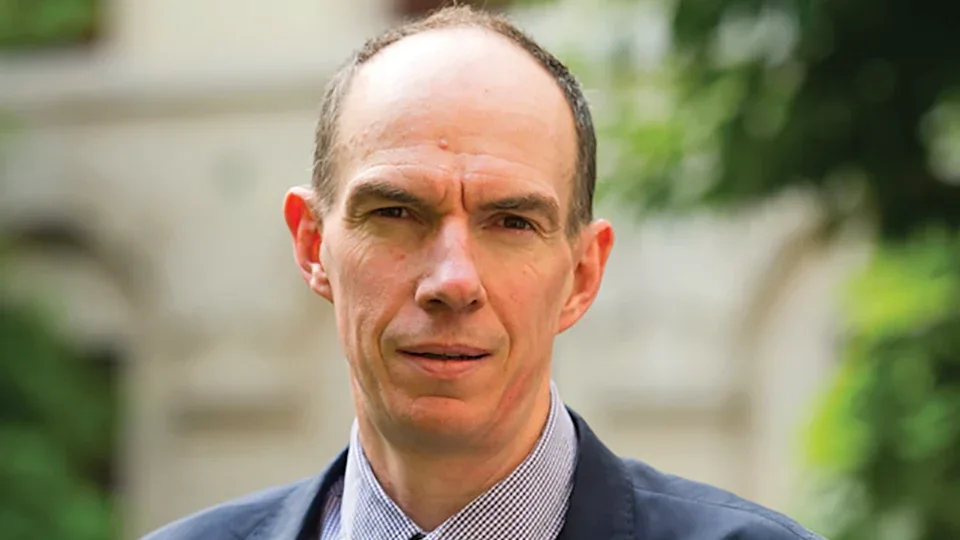
The Bank of England plans to unwind its remaining government bonds held for monetary policy by the end of 2034, under a multi-year strategy detailed by Deputy Governor Dave Ramsden on 28 September.
The plan covers £368 billion of bonds and combines maturities with annual sales of £20 billion. The average annual reduction is expected to be £46 billion, reflecting both routes through which holdings will fall.
Ramsden’s speech on quantitative tightening explained a strategy approved at the Monetary Policy Committee’s September meeting. Quantitative tightening is the reduction of assets accumulated through the Bank’s earlier bond-buying programmes.
A further £120 billion in long-dated government bonds will remain in the Asset Purchase Facility to back banknotes. Those holdings will no longer be held for monetary policy purposes.
Three Uses for the Remaining Portfolio
The Governor’s letter to the Chancellor, dated 17 September, sets out how the £488 billion portfolio is to be divided.
| Part of the portfolio | Planned treatment |
|---|---|
| £222 billion | Held until the bonds mature |
| £146 billion | Sold over the course of the unwind |
| £120 billion | Retained to back banknotes |
The final bond held for monetary policy is expected to mature in September 2034. The £120 billion retained for banknotes means the plan does not require every bond in the facility to be sold or redeemed by that date.
The Bank is considering selling the £146 billion designated for sale to the government, through arrangements involving the Debt Management Office, rather than selling directly into the market. Ramsden said that approach remained subject to final agreement with the Treasury.
Under the proposed model, the bonds would be bought for cancellation and refinancing. Sales would take place at market prices, with their pace and frequency set in advance by the Bank.
Implementation Details Due by April
Ramsden said the Bank would announce its implementation approach by April 2027. The annual £20 billion sales pace refers to the 12 months after sales begin. Bond maturities continue in the meantime.
The committee has identified two circumstances in which it could reconsider the pace: if interest-rate changes alone were insufficient to meet its inflation target, or if markets were judged to be severely distressed.
Bank Rate remains the committee’s principal tool for adjusting monetary policy. The September meeting minutes record a six-to-three vote to keep the rate at 3.75 per cent, with three members preferring an increase to 4 per cent.
The bond-unwind plan and the interest-rate decision are separate parts of the Bank’s policy framework. Ramsden voted to hold Bank Rate at the September meeting.