
BML Posts Record MVR1.93 Billion Nine-Month Profit as Dollar Demand Climbs
Third-quarter profit rose 36%, while the foreign currency the bank sold to customers in nine months almost matched its total for all of 2025.
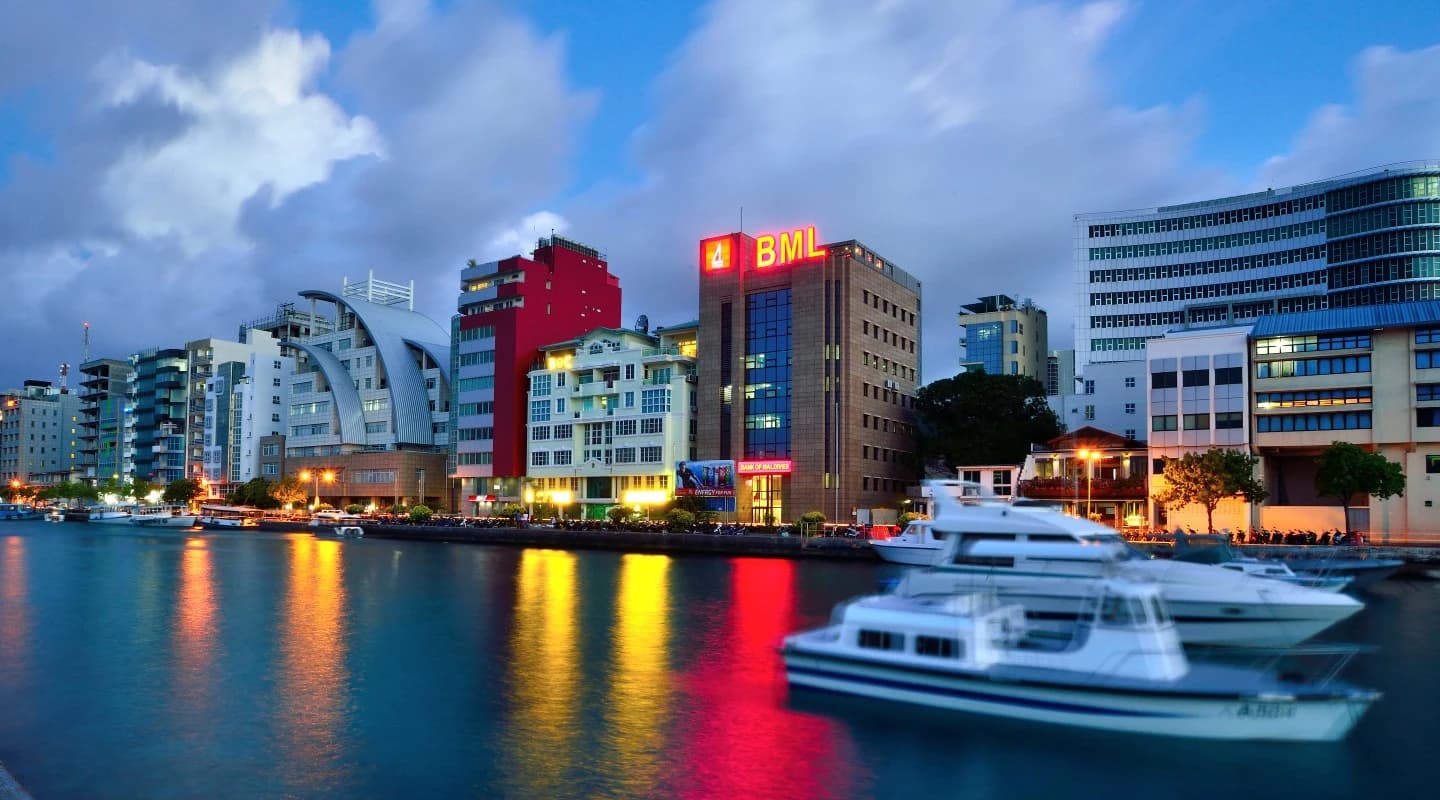
Bank of Maldives made a profit after tax of MVR1.93 billion in the first nine months of 2026, the highest for the period in its history and 26% more than a year earlier.
The bank published its third-quarter results on 8 October. It reported a profit of MVR1.53 billion for January to September 2025 and MVR2.47 billion for the whole of last year.
Profit after tax for the July–September quarter was MVR647.2 million, up 36% from about MVR475 million in the same quarter of 2025. Net interest income for the quarter rose to MVR874.8 million from MVR729.7 million. Non-interest income rose to MVR377.5 million from MVR355.9 million.
BML said the growth came from lending to key sectors, a larger deposit base, rising digital transaction volumes and cost control. It reported a cost-to-income ratio of 28% and a return on equity of 14%.
Lending and Capital
The bank disbursed MVR12.1 billion in new loans during the nine months, more than it lent in the whole of 2025.
| Measure | 31 December 2025 | 30 September 2026 |
|---|---|---|
| Total assets | MVR55.8 billion | MVR65.6 billion |
| Net loans and advances | MVR25.2 billion | MVR32.9 billion |
| Customer deposits | MVR37.2 billion | MVR42.4 billion |
| Capital adequacy ratio | 48% | 38% |
| Stage 3 (credit-impaired) loan ratio | 6.0% | 4.8% |
The capital adequacy ratio remains above the regulatory minimum of 12%. BML said the fall from 48% reflected capital deployed into new lending and investments.
Liquid assets were equal to 36.5% of customer deposits at the end of September. The loan-to-deposit ratio was 77.6%, against an internal limit of 90%. The bank said it had met all regulatory liquidity requirements throughout the year.
Foreign Currency Sold to Customers
BML said it provided US$722.1 million in foreign currency to customers in exchange for rufiyaa in the first nine months. That compares with US$733.8 million for all of 2025.
The monthly average of about US$80 million was 31% higher than the 2025 average of US$61 million. The bank said it has supplied more than US$3 billion in this way since 2021.
| Use | Jan–Sep 2026 |
|---|---|
| Card transactions | US$336 million |
| Telegraphic transfers | US$224 million |
| Travel cash | US$86 million |
| Education | US$40 million |
| Medical | US$33 million |
E-commerce accounted for US$208 million of the card total. Travel cash included US$5.8 million for Hajj and Umrah pilgrims. Medical provision was more than double the US$14 million supplied for medical needs in 2025.
Separately, outward payments from customers’ own foreign currency, through remittances and import letters of credit, totalled US$2.86 billion. That was 27% more than in the same period of 2025. The bank processed close to 373,600 outward remittances, up 19%.
Inflows from inward remittances and net card settlements were US$2.96 billion, up 15%.
September Inflows
BML said September is consistently its weakest month for foreign currency inflows. It received US$240 million in September 2026, about 27% below its average for the first nine months.
In 2025, September inflows were US$257 million. December 2025 inflows were US$461 million, around 80% higher.
Demand for education payments peaked in September, when the bank supplied US$8.2 million for study abroad, its highest monthly figure this year.
The bank also said dollar funding lines for banks in smaller economies had become fewer, shorter and more expensive. It cited elevated US interest rates and more selective international investors.
On 1 October, BML introduced a US$3,500 monthly limit on each customer’s dollar cash withdrawals at ATMs. In a 19 September statement, it said dollar outflows had risen by a third and that processing times for dollar transfers were expected to return to normal.
Other measures listed in the results release include published monthly e-commerce allocations, merchant-level daily budgets, structured travel limits and priority processing for corporate payments for trade, debt service and tourism.
Chief executive Mohamed Shareef said 2026 was “on course to be the strongest year in the Bank’s history”.
The bank said it expects inflows to strengthen as the peak tourist season begins. It said it would seek long-term foreign currency funding from international markets.
More from Business
Moody’s Upgrades Maldives Credit Rating to Caa1 After Sukuk Repayment
The one-notch upgrade reflects lower near-term default risk, but the agency expects the budget deficit to widen to 8.0–8.5% of GDP this year.
SME Digital Opens MVR10 Million Guesthouse Financing at 7.5%
The new facility requires repayments in US dollars and offers terms of up to 15 years, with a 20 per cent equity requirement.
Muizzu Orders Stalled Development Projects to Resume
The President’s Office says solutions have been secured for material shortages linked to Middle East conflicts, as ministers and state companies review island projects.
Maldives Sets November 2027 Target for Thilafushi Commercial Port
The planned 60-hectare port will initially handle 390,000 TEUs a year, with a larger international quay and a separate domestic harbour.