
















MAPPING THE GIANTS OF THE OCEAN
At Secret Paradise Maldives, we’re always looking for ways to deepen our knowledge of the Maldives marine environment and support projects that align with our values of sustainable tourism and responsible travel. Recently, our team had the pleasure of joining an online presentation hosted by the MaRHE Center, led by Professor Simone Montano and his […]

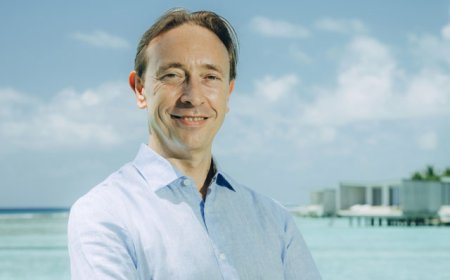
At Secret Paradise Maldives, we’re always looking for ways to deepen our knowledge of the Maldives marine environment and support projects that align with our values of sustainable tourism and responsible travel. Recently, our team had the pleasure of joining an online presentation hosted by the MaRHE Center, led by Professor Simone Montano and his colleagues Federica and Alessia.
The session introduced us to their inspiring initiative, Map the Giants, a project that is shining a spotlight on some of the ocean’s most extraordinary and overlooked inhabitants: giant coral colonies.
Who are MaRHE Center?
The Marine Research and High Education (MaRHE) Center, established by the University of Milano-Bicocca, has been based on Magoodhoo Island in Faafu Atoll for the past 15 years. The center acts as a hub for education, training, and research, while also engaging with local communities and international students.
Their work spans a wide range of topics, from coral reef ecology, seagrasses, and mangroves to coral diseases and shark monitoring. Importantly, they also bring a human dimension into their studies, exploring how local communities perceive climate change and how sustainable practices can be applied in tourism.
Citizen science plays a big role in their mission. Reefs are vast, and scientists can’t be everywhere, which is why involving tourists, local communities, and organisations like ourselves is key to gathering valuable data.
What is Map the Giants?
When you think of giants in nature, towering sequoias or massive whales may spring to mind. But hidden beneath the ocean’s surface are equally remarkable giants: coral colonies that have been growing for centuries, even millennia.
Some colonies can reach astonishing sizes—like Big Momma in American Samoa, with a circumference of around 40 metres. Here in the Maldives, colonies over 10 metres across have already been recorded, including one with a circumference of 65 metres in a shallow lagoon.
These giant corals are more than just impressive in scale:
- They are resilient survivors, withstanding events that have devastated smaller corals.
- They act as living archives, holding centuries of environmental information.
- They could serve as icons of marine conservation, much like monumental trees do on land.
Yet, until now, there has been no global effort to map, monitor, or protect them. This is where Map the Giants comes in.

How Does It Work?
The project has three key goals:
- Discover the biggest coral colonies in the world.
- Understand why they are unique and resilient.
- Protect them as “marine monuments” for future generations.
Contributors ranging from scientists to divers and tour operators can help by recording coral colonies that meet certain criteria (over 5 metres in size, continuous in structure, and likely centuries old). Data collection methods range from quick photos to detailed 3D photogrammetry models that can track growth and health over time.
So far, Map the Giants has gathered more than 170 entries from 20 countries, with the Maldives contributing the largest share.
Why It Matters
The reefs of the Maldives are not only central to the country’s marine biodiversity, but also to the daily lives of local communities and the success of sustainable tourism. Protecting these giants ensures that future generations can continue to experience the wonders of Maldives snorkeling, scuba diving, and marine life encounters.
By raising awareness, the project hopes to inspire a similar sense of respect and protection as monumental trees receive on land. Imagine a future where the Maldives formally recognises its largest coral colonies as marine monuments, a unique way of celebrating and safeguarding the natural heritage of our ocean.
Our Role at Secret Paradise Maldives
Our tour leaders and guests already contribute to citizen science through reef monitoring, data collection, and collaborations with NGOs such as Save the Beach and Olive Ridley Project. Incorporating Map the Giants into our tours means we can further support research while giving travellers the chance to engage meaningfully with the environment.
For us, this is another step in ensuring that your travel experience leaves a positive impact, from island hopping and snorkeling adventures to contributing to the long-term protection of the reefs of the Maldives.

How You Can Get Involved
Whether you are a diver, snorkeler, or marine enthusiast, you can be part of the project:
- Visit www.mapthegiants.com to learn more and submit data.
- Record sightings of giant corals during your Maldives dives or snorkeling trips.
- Share your photos, measurements, and observations with the project team.
Every contribution helps scientists better understand these remarkable organisms and build momentum towards their protection.
Our session with the MaRHE team was an inspiring reminder of the incredible natural wonders hidden within the Maldives ocean and the role we all play in protecting them.
At Secret Paradise Maldives, we believe that travel should be more than just seeing—it should be about learning, connecting, and giving back. Supporting initiatives like Map the Giants is just one way we continue to combine discovery with responsible tourism in the Maldives.
Join our snorkeling tours in the Maldives and be part of protecting coral giants, explore, learn, and contribute to marine conservation. “Together, we can help map, understand, and protect the giants of the reef.
What's Your Reaction?